Ritual Over Ribbon-Cutting: The Case for a Standing Green Building Council

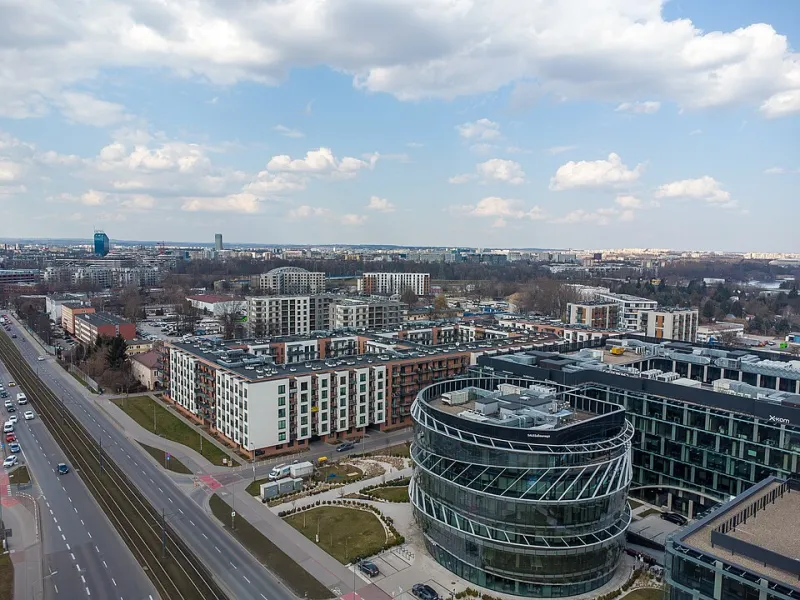
Photo by Photo by Francesco Ungaro on Unsplash on Unsplash
Corporate sustainability commitments tend to arrive with the ceremony of a ribbon-cutting. An executive announces a certification target, a glossy rendering circulates, and a cross-functional team is thanked for its enthusiasm. Then the calendar fills with other priorities. Twelve months later, the same company can struggle to say who owns the energy data, which capital projects are queued, or whether the leasing team has mentioned the goal to a single tenant.
The problem is rarely a shortage of conviction. It is a shortage of ritual. Green building goals need a recurring forum where decisions are made, assignments are confirmed, and progress is reviewed against a shared record. The ancient tholos—a circular gathering structure at the center of many Greek settlements—is a useful metaphor for that forum. It was not a monument to a single leader. It was a place built for assembly, where a community could see itself and conduct its business. In 2026, US businesses need the same thing: a small, central, standing gathering that keeps a larger organization aligned.
The Launch Party Problem
A launch event creates visibility, but visibility is not governance. Many sustainability initiatives stall because they are treated as campaigns rather than operations. The sustainability lead is given influence without authority. Facilities tracks utility bills, finance guards the capital plan, leasing negotiates tenant improvements, and legal reviews disclosure language. Each function performs well in isolation. Together, they produce a portfolio of intentions rather than a sequence of decisions.
The symptoms are familiar. A certification application misses a documentation deadline because no one owned the evidence file. An energy-efficiency project sits unfunded because it was never entered into the capital queue. A tenant asks about building performance, and the property manager has no current answer. None of these failures is dramatic. Each is a small break in continuity, and small breaks compound.
Why the Tholos Is an Operating Model
The tholos was not merely a pretty circle. Its architecture made recurring assembly possible. A central hearth, a ring of columns, and a shared interior created a place where people could gather, speak, and decide. The form implied that the community had a center and that the center was accessible.
Translated into corporate practice, the lesson is not to build a larger sustainability department. It is to create a small, fixed point of coordination. The council should be lean enough to meet consistently and senior enough to make trade-offs. It should have a standing agenda, a shared dashboard, and a decision log. It should not be a steering committee that reviews slide decks four times a year. It should be the place where the work is actually governed.
A Lean Council That Actually Meets
A workable model for a mid-sized US company is a council of six to eight people: a facilities or engineering lead, a finance representative, an operations representative, a leasing or legal representative, a sustainability program manager, and an executive sponsor with budget authority. The sponsor does not need to attend every working session, but the sponsor must receive the decision log and resolve escalations.
The full council should meet quarterly for ninety minutes. A smaller working group can meet monthly for thirty minutes to clear data issues and prepare decisions. The quarterly meeting should follow a fixed agenda: performance metrics, capital-plan triggers, tenant and landlord check-ins, certification status, and risk review. Each item should produce an owner and a date. The meeting should end with a written record, not a general sense of alignment.
Metrics That Fit on One Page
A standing council loses credibility if it drowns in data. The dashboard should be short enough to read in the meeting and specific enough to drive action. For most commercial portfolios, a one-page view can include energy intensity, water use, waste diversion, greenhouse gas emissions, certification milestones, occupant comfort indicators, and the status of active capital projects. Each metric should show a baseline, a current value, and a trend.
The council should resist the temptation to track everything. A metric earns its place only if someone can act on it. If water data arrives too late to influence a decision, fix the data flow or remove the metric. If waste diversion is measured at the building level but not by tenant, decide whether tenant-level action is part of the strategy. The point is not completeness. The point is a shared picture that supports decisions.
Capital-Plan Triggers
Green building goals often fail at the capital-plan boundary. A project is technically sound but never enters the queue because no one defined the conditions under which it should. The council should establish explicit triggers. For example, a building may enter a retrofit review when energy intensity exceeds a set threshold for two consecutive quarters, when major equipment reaches a defined age, when a lease event creates an opportunity for tenant improvements, or when an incentive program improves the payback period.
Triggers do not guarantee funding. They guarantee consideration. That distinction matters. Finance can still decline a project, but the decision is made in the open with the same data the council uses. Over time, triggers turn green building from a series of special requests into a predictable part of asset management.
Tenant and Landlord Check-Ins
For leased space, green building goals depend on a relationship that is often informal. The council should formalize it. Quarterly check-ins with major tenants and landlords can cover submetering, shared savings, lease clauses, fit-out standards, and planned capital work. These conversations are not customer service gestures. They are risk management. A tenant who understands the building's performance goals is more likely to cooperate with efficiency measures, and a landlord who hears capital plans early is less likely to be surprised by a request.
The council should also review lease language before renewal. Clauses that clarify data sharing, metering, and cost recovery can prevent years of ambiguity. This is unglamorous work, but it is where many sustainability commitments are won or lost.
The Discipline of Repetition
Certification is an output. Governance is the input. A company can pursue LEED, ENERGY STAR, or a local benchmarking requirement, but the standard alone will not create durable habits. The standing council creates those habits through repetition: the same agenda, the same dashboard, the same decision log, the same owners. The ritual is the strategy.
In 2026, US business leaders face rising expectations from investors, tenants, and local jurisdictions, alongside pressure to control operating costs. A small council will not solve every technical problem. It will, however, ensure that the right problems reach the right people on a predictable schedule. The tholos endured because it made gathering possible. A green building program will endure for the same reason: a small center, a standing agenda, and a community that keeps showing up.