Cooling’s Hidden Ledger: Refrigerant Management as a Green Building Discipline

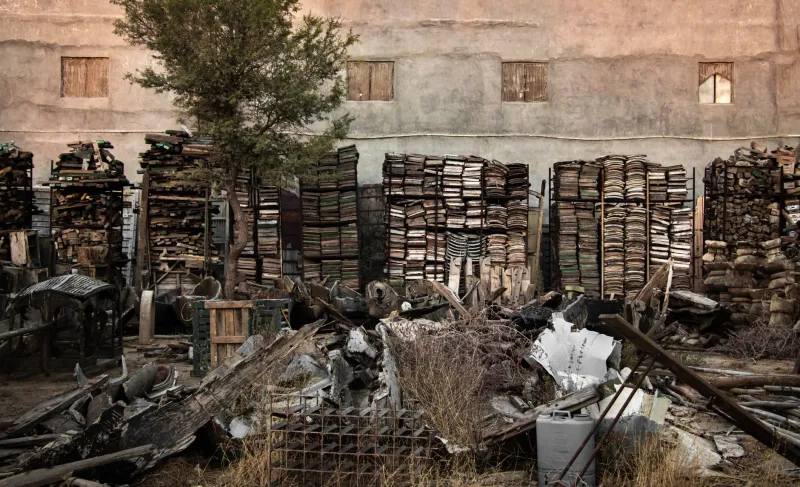
Photo: Syced, CC0, via Wikimedia Commons
In the ancient tholos, the central hearth was the functional heart of the structure. It was not always visible from the outside, yet it warmed the room, enabled gathering, and made the building useful. Commercial buildings have an analogous system today: the refrigerant loop. It sits in mechanical rooms, rooftop units, and concealed chases. It rarely appears on a utility bill. And it is one of the most potent climate impacts a property can carry. For US owners and facilities teams, 2026 is the right year to bring refrigerant management out of the maintenance log and into the green building agenda.
The Hidden Hearth of a Commercial Building
Refrigerants are greenhouse gases in their own right. Many hydrofluorocarbons used in chillers, split systems, and refrigeration have global warming potentials hundreds or thousands of times that of carbon dioxide. A pound of refrigerant released to the atmosphere can equal the climate impact of many pounds of CO2. Under the Greenhouse Gas Protocol, fugitive refrigerant emissions belong in Scope 1. They are direct emissions from equipment the owner controls.
The difficulty is visibility. Electricity and natural gas arrive as metered data. Refrigerant leaks arrive as slow, intermittent, and often undocumented events. A system can lose charge for years without a dramatic failure. Across a portfolio, small leak rates add up. Sustainability plans that focus only on energy and water can miss this entire category. Green certification submissions and investor disclosures increasingly ask for refrigerant inventory and leak history. The hidden hearth matters because it keeps the rest of the building comfortable, and because it can quietly undermine a climate strategy.
The AIM Act as a Planning Clock
The American Innovation and Manufacturing Act of 2020 established a national phasedown of HFC production and consumption. The schedule calls for an 85 percent reduction from baseline by 2036. EPA allocates allowances and has adopted rules that limit the global warming potential of new equipment in certain sectors. The details are technical and can change, so owners should verify current requirements with EPA and qualified engineers. The strategic direction, however, is clear: high-GWP refrigerants are becoming scarcer and more expensive.
That makes 2026 a useful planning trigger. Equipment ordered today may operate for fifteen to twenty years. A chiller or rooftop unit specified with a high-GWP refrigerant could become a stranded asset as prices rise and service supplies tighten. Conversely, lower-GWP alternatives, including A2L refrigerants, CO2, ammonia, and propane in appropriate applications, are entering the US market. Each has safety, code, and training implications. The point is not to chase a single technology. It is to make refrigerant choice a deliberate part of capital planning rather than an afterthought.
Begin With an Inventory
The first step is a refrigerant register. List every piece of cooling and refrigeration equipment: chillers, rooftop units, split systems, variable refrigerant flow systems, walk-in coolers, and process cooling. For each, record the refrigerant type, charge size in pounds, equipment age, service history, and leak rate. Assign an internal owner for the data. Use service invoices and contractor records to fill gaps.
Then calculate the climate impact. Multiply charge size by leakage rate and global warming potential to estimate annual CO2e. This does not need to be perfect for the first pass. It needs to be consistent enough to rank equipment. High-charge, high-GWP, and high-leak equipment should rise to the top of the list. The register also becomes the backbone for certification documentation and Scope 1 reporting.
Turn Leak Detection Into a Routine
Federal refrigerant management rules already require repair of leaks above certain thresholds for covered appliances. Many organizations choose to go further. Automatic leak detection, quarterly inspections, and building automation alarms can catch losses earlier. A repaired leak avoids both emissions and the cost of replacement refrigerant. It also protects equipment efficiency, because a system running undercharged can consume more energy to deliver the same cooling.
Documentation is part of the discipline. Keep service records, leak rate calculations, repair dates, and refrigerant purchase logs. When a certification reviewer or investor asks how refrigerant risk is managed, the answer should be a file, not a narrative. The tholos hearth was tended daily. Refrigerant management works the same way.
Write Lower-GWP Intent Into Procurement
Procurement language is where strategy becomes practice. When replacing equipment, specify maximum global warming potential, acceptable refrigerant types, leak detection requirements, and the contractor's obligation to provide service records. Require technicians certified under EPA Section 608. For larger portfolios, master service agreements can standardize leak response times and reporting formats.
Owners should also ask for a total cost of ownership comparison that includes refrigerant price volatility and future compliance risk. Reclaimed refrigerant can help bridge the transition, but it is not a permanent substitute for lower-GWP equipment planning. The goal is a procurement process that does not default to the same specification year after year.
Make Certification Documentation Complete
Green building rating systems have long addressed refrigerants, though the exact credits and prerequisites vary by standard and version. A strong submission typically shows an inventory, a leak prevention and repair plan, and evidence of lower-GWP choices where feasible. ENERGY STAR Portfolio Manager tracks energy use, not refrigerants, so owners often need a supplemental register for Scope 1 reporting.
The same data supports climate disclosures. As US companies face growing demand for verified emissions data, refrigerant records become auditable evidence. A register that is updated quarterly is more credible than a year-end reconstruction. Certification and disclosure are not separate exercises. They draw from the same hidden ledger.
The Lesson of the Central Hearth
The tholos was not a facade. It was a structure organized around a functioning center. A green building agenda that ignores refrigerants is similarly incomplete. The system is concealed, but it is not peripheral. In 2026, the HFC phasedown gives owners a reason to act: rising refrigerant prices, changing equipment rules, and growing documentation expectations.
The work is not glamorous. It is inventory, leak detection, procurement language, and recordkeeping. Yet those practices turn an unseen liability into a managed system. The hearth you cannot see still warms the building. It deserves the same attention as the systems that show up on the bill.