Leased Walls, Owned Convictions: How Renters Can Green a Building They Don't Control

The tholos, the ancient Greek round structure, was never owned by a single occupant. It belonged to a sanctuary, a community, and those who gathered beneath it shaped how it was used and maintained. There is a lesson here for the modern American business tenant: stewardship does not require a deed. Roughly one-third of the commercial square footage in the United States is leased, which means a meaningful share of the country's sustainability progress lives in the hands of renters — not owners. Yet most tenants assume that without ownership, there is no leverage. The opposite is closer to the truth.
The Green Lease Is Your First Tool
Traditional commercial leases treat energy use, water, and waste as someone else's problem. The landlord pays for capital improvements, the tenant pays for utilities, and neither party has a financial incentive to conserve. This is the well-documented "split incentive" problem, and the remedy is the green lease — sometimes called an energy-aligned lease.
A green lease doesn't demand heroics. It typically addresses a handful of practical questions: Who bears the cost of efficiency upgrades, and how are savings shared? What data must the landlord disclose — Energy Star scores, utility consumption, equipment specs? What sustainability standards will govern future renovations? In the US, the Institute for Market Transformation's Green Lease Leaders program has pushed these clauses into the mainstream, and landlords increasingly expect sophisticated tenants to raise them.
If you're mid-lease, don't assume the conversation is closed. Amendments happen. A tenant renewing a five-year term has genuine negotiating power, especially in markets with elevated vacancy. Frame the request not as an environmental ask but as an operational one: lower operating costs, reduced volatility, and a building that performs better at renewal time.
Negotiate Tenant Improvements With the Future in Mind
Tenant improvement (TI) allowances are where sustainability either happens or gets value-engineered away. When your TI package is on the table, insist that efficiency measures be included in the base scope rather than treated as upgrades to be cut: LED lighting with daylight controls, smart thermostats with occupancy sensors, low-flow fixtures, and properly sealed ductwork.
The economics favor you here. Efficiency measures installed during buildout cost a fraction of what they cost as later retrofits, and the payback period — often three to five years — frequently falls within the lease term itself. A tenant paying utilities directly captures those savings outright.
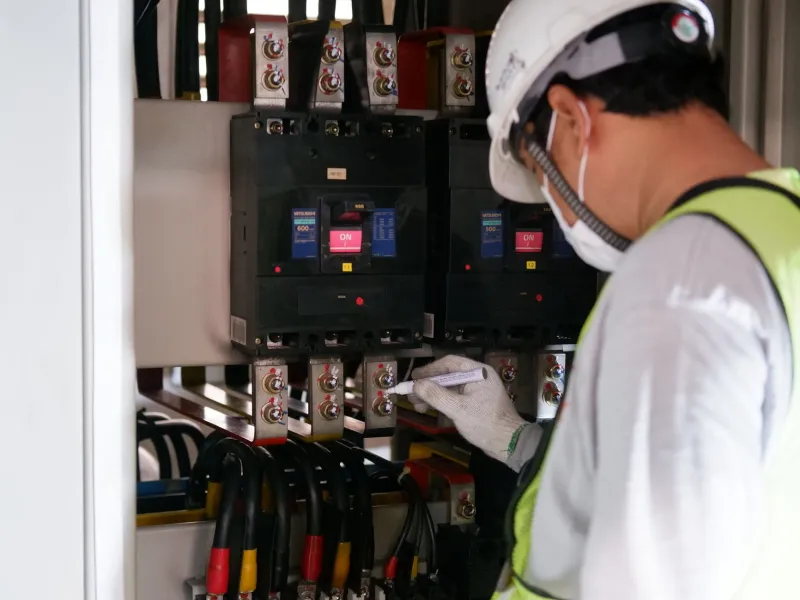
Ask for submetering, too. Many leases allocate utility costs through gross rent or a pro-rata formula, which means your conservation efforts subsidize a neighbor's indifference. A submeter gives you visibility into your actual consumption and a defensible basis for negotiating lower charges. If submeters aren't feasible, request monthly utility data as a lease exhibit.
Retrofits That Leave Lightly
The tholos endures because it was built to be maintained, not rebuilt. Tenants should adopt the same philosophy: favor interventions that are effective, reversible, and portable.
Consider what this looks like in practice. Plug-load management — smart power strips, server-room scheduling, equipment audits — can cut office electricity use by 10 to 20 percent with zero structural changes. Freestanding shading, interior window films approved by the landlord, and portable air-quality monitoring all improve comfort and performance without touching the building envelope. Furniture and fixtures specified as demountable systems can move with you, avoiding the landfill fate of a typical buildout.
Document everything. When you vacate, a well-kept record of upgrades — invoices, specifications, energy data — becomes an asset in two directions: it strengthens your case for restoration credits, and it hands your successor a building that already performs better. Landlords notice tenants who leave a space improved; it shortens their vacancy and can earn goodwill in future negotiations.
The Tenant as Market Force
It's tempting to view a single lease as a drop in the bucket. But landlords respond to demand signals, and corporate tenants with stated sustainability commitments are among the strongest signals in the market. When a prospective tenant asks for an Energy Star score, a green lease, and submetered utilities, that request ripples across the landlord's entire portfolio. Buildings that can't answer are increasingly harder to lease — a dynamic visible in markets from Chicago to Austin to Seattle, where ESG-driven tenant requirements have reshaped leasing criteria.
You don't need the deed to shape a building. You need clarity about what to ask for, persistence in the negotiation, and a philosophy of stewardship that treats even borrowed square footage as worthy of care. The ancients gathered in a structure none of them owned and made it the centerpiece of civic life. The modern tenant, armed with a well-drafted lease and a reversible retrofit plan, is playing a smaller version of the same game — but playing it from a position of real power.