The Care Clause: Twelve Questions for Your Green Roof Maintenance Contract
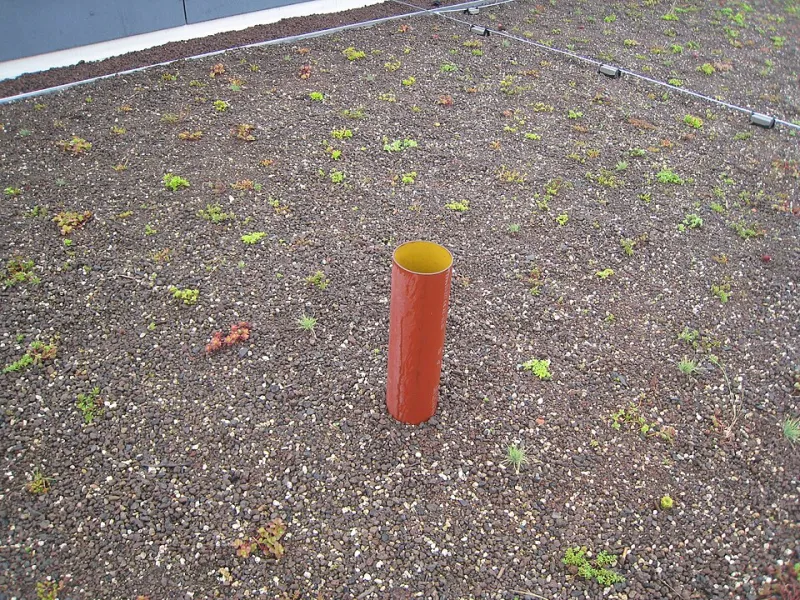
Photo: U.S. Army Corps of Engineers Europe District from Wiesbaden, Germany, Public domain, via Wikimedia Commons
A green roof is often commissioned with great attention and then handed to a maintenance contract that receives far less scrutiny. That is a risk. The roof is a living assembly that depends on drainage, growing media, plant health, waterproofing, access, and recordkeeping. A weak maintenance agreement can void a membrane warranty, hide a leak until it reaches the ceiling below, or turn a designed plant community into a weed patch. For US building owners and property managers shopping for long-term care in 2026, the contract is not paperwork. It is the operating manual for an asset that should last decades.
The questions below are not a substitute for legal or technical review. They are a way to test whether a prospective contractor understands the difference between routine grounds care and green roof stewardship.
1. Which membrane warranty clauses does this contract trigger?
Why it matters: Many roofing warranties require specific inspection frequencies, protection board integrity, and drainage clearance. A maintenance contractor who has never read the warranty can inadvertently create gaps in coverage.
A good answer: The contractor can name the membrane manufacturer, the warranty terms, the required inspection schedule, and the documentation the owner must retain. They should know which activities are prohibited, such as power washing near seams or using certain herbicides.
2. What exactly is included in plant care and replacement?
Why it matters: Plant replacement is where vague contracts become expensive. A low first-year price can hide blanket exclusions for dieback, storm loss, or irrigation failure.
A good answer: The contract defines plant health thresholds, replacement quantities, species palette, and who pays for what. It should distinguish routine thinning from major replanting and name the approved plant list.
3. How will leaks be detected and accessed?
Why it matters: A green roof can conceal a slow leak. Detection should not depend on staining a ceiling below.
A good answer: The contractor describes inspection ports, moisture sensors if present, electronic leak detection if installed, and a response protocol. They should know where to probe without damaging the membrane and how to document findings with photographs.
4. What is the seasonal inspection calendar?
Why it matters: Green roofs change with the season. Spring growth, summer drought, fall leaf accumulation, and winter freeze-thaw each create different risks.
A good answer: The contract names inspection months, not just visit frequency. In most US climates, spring and fall are essential, with additional checks after severe storms. The calendar should include drainage, vegetation, edging, and access safety.
5. How will drainage be verified?
Why it matters: Clogged drains and detention layers can cause ponding, plant death, and structural load concerns. Visual inspection alone may miss subsurface blockage.
A good answer: The contractor has a drainage checklist, knows the location of every drain and scupper, and can show how flow is tested. They should report standing water, sediment buildup, and media erosion.
6. Is irrigation included, and who controls the water source?
Why it matters: Irrigation may be essential during establishment but wasteful or harmful later. Responsibility for timers, repairs, and seasonal shutdowns must be clear.
A good answer: The contract states whether irrigation is in scope, who adjusts schedules, how leaks are handled, and how water use is reported. A thoughtful contractor will favor deep, infrequent watering and plant establishment over constant shallow irrigation.
7. What are the access and fall-protection requirements?
Why it matters: Green roof work involves roof edges, hatches, ladders, and equipment. Safety failures can injure workers and expose the owner to liability.
A good answer: The contractor provides a site-specific safety plan, confirms training, and identifies anchor points, guardrails, or other protection. They should not rely on informal access through tenant spaces without a written protocol.
8. How are weeds and invasive species managed?
Why it matters: Invasive plants can outcompete the designed palette and spread seed beyond the roof. Aggressive removal can also damage the membrane or desirable plants.
A good answer: The contractor identifies target species, uses integrated pest management, and avoids blanket herbicide use. They should document infestations and propose a treatment that respects the planting design.
9. What records will the owner receive?
Why it matters: Warranty claims, certification renewals, and capital planning all depend on a paper trail. A verbal report is not enough.
A good answer: The contractor provides dated reports with photographs, moisture readings where relevant, plant health notes, drainage observations, and recommended follow-up. Records should be organized for warranty and audit use.
10. Who will actually do the work?
Why it matters: Sales teams and crew continuity are different things. A green roof is not a good training ground for unsupervised seasonal labor.
A good answer: The contract names a account manager and a lead technician, states how substitutes are trained, and describes crew experience with green roofs. It should include a named contact for emergencies.
11. What is the emergency response protocol?
Why it matters: Storm damage, fallen branches, sudden leaks, and irrigation failures do not wait for the next scheduled visit.
A good answer: The contract states response times, after-hours contacts, and who is authorized to make temporary repairs. It should distinguish emergency work from additional billable work and set a notification threshold.
12. How will the contract handle turnover or termination?
Why it matters: Buildings change hands, vendors change, and warranties outlast both. A poor transition can leave the next contractor without records or access.
A good answer: The contract requires a complete handover package, including as-built drawings, maintenance logs, plant lists, warranty documents, and a closing inspection. It should allow assignment to a new owner and define notice periods clearly.
The Contract Is a Stewardship Document
A green roof is not self-maintaining, and it is not merely decorative. It is a living layer of the building envelope, with water, plants, membrane, and structure all interacting. The maintenance agreement should be written as a stewardship document, not a generic service order. US owners and property managers who ask these twelve questions before signing will be better positioned to protect the warranty, the planting design, and the building below. The ancient tholos reminds us that durable structures depend on care that continues long after the ribbon is cut. A green roof is no different.